EN
EN  IT
IT  ES
ES  FR
FR Nitrogen in plants: why it is essential and how to intervene naturally with VITA
Nitrogen is one of the most important nutrients for plant growth and development. It is involved in vital processes such as photosynthesis, protein synthesis and plant tissue formation. A deficiency or excess of nitrogen can compromise crop health and productivity. In this article, you will discover what nitrogen is used for in plants, how to recognise the symptoms of imbalance, and how to improve nitrogen availability in a natural way thanks to the VITA biostimulant of MS Biotech.
What nitrogen is used for in plants
Nitrogen is one of the three fundamental macronutrients for plants, along with phosphorus and potassium. It plays a essential structural and metabolic role and is present in chlorophyll, amino acids, proteins, enzymes and nucleic acids.
The main functions of nitrogen in plants include:
-
Stimulate chlorophyll photosynthesis and maintain the deep green colour of leaves
-
Promoting vegetative growth and the development of new shoots
-
Supporting flower and fruit formation
-
Improving the yield and quality of agricultural production
-
Increasing resistance to environmental stresses
An adequate nitrogen supply makes plants more vigorous and productive.
How plants absorb nitrogen
Nitrogen in the soil can be present in different forms, but only some of them can be assimilated by the roots. The main forms are:
-
Nitrate (NO₃-)
-
Ammonium (NH₄⁺)
-
Amino acids and peptides
The actual availability of nitrogen depends on various factors such as microbial activity, the presence of organic matter, soil pH, moisture and the physical structure of the soil. Even in the presence of a good amount of total nitrogen, plants may fail to absorb it if the soil is poor in microbial life or unbalanced.
Nitrogen deficiency: symptoms to recognise
A nitrogen deficiency manifests itself with visible symptoms that can impair the plant's growth. The most common signs are:
-
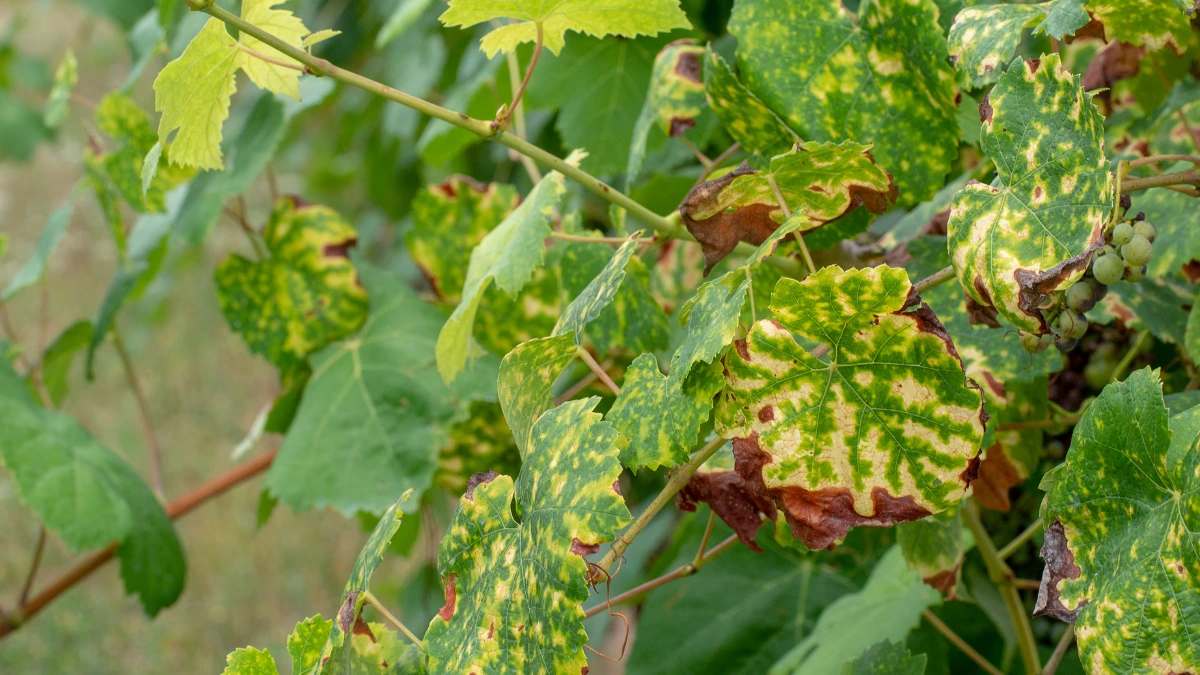
Yellowing of older leaves, especially at the base
-
Slow growth and short internodes
-
Small, pale-coloured leaves
-
Reduced flowering and fruiting
-
Early leaf fall in severe cases
Leaf chlorosis is one of the most obvious symptoms and represents the plant's attempt to transfer residual nitrogen to young parts.
Risks of excess nitrogen
A excess nitrogen can be just as harmful as a deficiency of it. The main problems include:
-
Excessive growth of the vegetative part at the expense of production
-
Increased vulnerability to disease and pest attacks
-
Reduction in fruit quality
-
Nitrogen leaching into the soil, resulting in groundwater pollution
Therefore, it is essential to provide nitrogen in a targeted and balanced manner, avoiding waste and reducing environmental impact.
VITA from MS Biotech: the natural nitrogen biostimulant
VITA is a liquid biostimulant based on free nitrogen-fixing bacteriadeveloped to improve the assimilation of nitrogen by plants in a natural, sustainable and efficient way. Unlike conventional nitrogen fertilisers, VITA provides directly available organic nitrogen without dispersion.
How VITA works
VITA acts on several levels to optimise nitrogen nutrition:
-
Supplies ready-to-use amino acids and peptides
-
Stimulates photosynthesis and enhances vegetative development
-
Increases resistance to environmental stress (drought, salinity, temperature changes)
-
Improves flowering, fruit set and fruit quality
-
Enhances root uptake of soil nutrients
VITA can be used by fertigation or foliar application at any stage of the crop cycle.
When to use VITA
The use of VITA is recommended at specific times to maximise its effectiveness:
-
In the vegetative recovery phase, to stimulate initial growth
-
After transplanting or pruning, to reduce stress
-
During flowering and fruit set, to support productivity
-
In the presence of nutritional deficiencies, as a rapid intervention
-
After extreme weather events, to help plants recover
Due to its rapid assimilation, VITA can be included in any organic fertilisation programme.
Why choose VITA
LIFE is a innovative solution for those seeking a sustainable alternative to chemical nitrogen fertilisers. It does not pollute the soil, does not alter microbiological balances and leaves no residues. It is safe, natural and suitable for all crops: horticultural, fruit, extensive or greenhouse.
It can also be combined with other microbiological products of the MS Biotech line for integrated soil fertility management.
Conclusions
Nitrogen is essential for plant health, but must be carefully managed to avoid imbalances and environmental damage. VITA is an effective, environmentally friendly and low-impact solution for improving nitrogen nutrition in agriculture.
For personalised technical advice or more information on the use of VITA, visit msbiotech.net o contact our team of experts.