EN
EN  IT
IT  ES
ES  FR
FR The biological cycle
 The cabbage fly (Delia radicum) is a major pest of most cruciferous plants, especially cabbage.
This dipteran goes through 3-4 generations and overwinters as a pupa in the soil a few centimetres deep. Afterwards, in the period around the end of March-April, the adult flickers and proceeds with mating. Females may lay up to 100-150 eggs at the collar of plants.
The larvae, which emerge after two weeks, bury themselves and penetrate the cabbage roots, digging tunnels in the tenderest parts. The affected tissue rots, the foliage turns yellow and development is impaired, leading, in the worst cases, to the death of the plant.
The most severe attacks occur in spring, but autumn crops are also susceptible to fly attacks. The damage caused by the larvae is most severe at emergence or after transplanting in spring and autumn.
Fig.1 Graphic reproduction of adult, pupa and larva of the cabbage fly
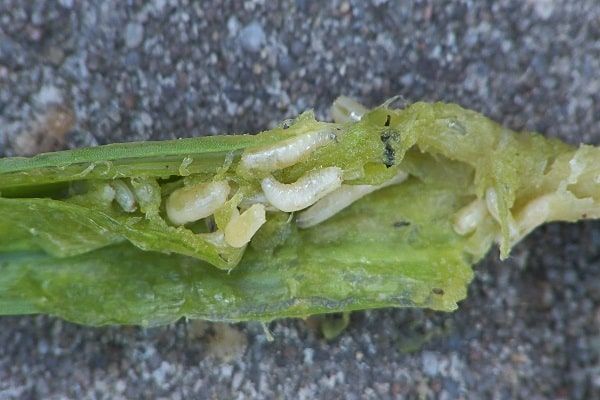
Fig.2 Trophic action by Delia radicum larvae
The solutions
Containment measures against this pest must be carried out through the destruction of vegetation residues, post-harvest, and in the control of wild Cruciferae.
In addition to these good agronomic practices, the Ms Biotech company suggests the use of the product Rizotech MB, based on viable spores of fungi of the genus Glomus spp. and Beauveria bassiana spp, which guarantees a rapid development of the root system, improving the plant's efficiency in absorbing water and nutrients and reducing the stress on the root system caused by cabbage fly larvae.

Read also: