EN
EN  IT
IT  ES
ES  FR
FR Iron chlorosis is one of the most widespread nutritional disorders in agriculture and can significantly compromise crop development. Although iron is often present in the soil, it is not always available for root absorption. The result is a functional deficiency that manifests as the characteristic yellowing of leaves and a progressive reduction in vegetative activity.
This issue affects numerous crops, including grapevine, olive, citrus, kiwifruit, peach, pear, apple and many vegetable species, especially in calcareous soils or those with a high pH.
Preventing iron chlorosis means preserving the plant's photosynthetic efficiency, supporting growth and reducing yield losses. In this article, we analyse the causes of the problem and the most effective strategies to avoid it.
What is iron chlorosis
Iron chlorosis is a physiological disorder caused by insufficient availability of assimilable iron for the plant.
It is important to emphasise that the problem does not necessarily depend on the total amount of iron present in the soil. Very often, iron is abundant, but it is found in chemical forms that the roots cannot absorb.
When this happens, the plant cannot correctly synthesise chlorophyll, the pigment essential for photosynthesis. The consequence is a progressive loss of the green colour of the leaves and a reduction in metabolic efficiency.
How to recognise the symptoms
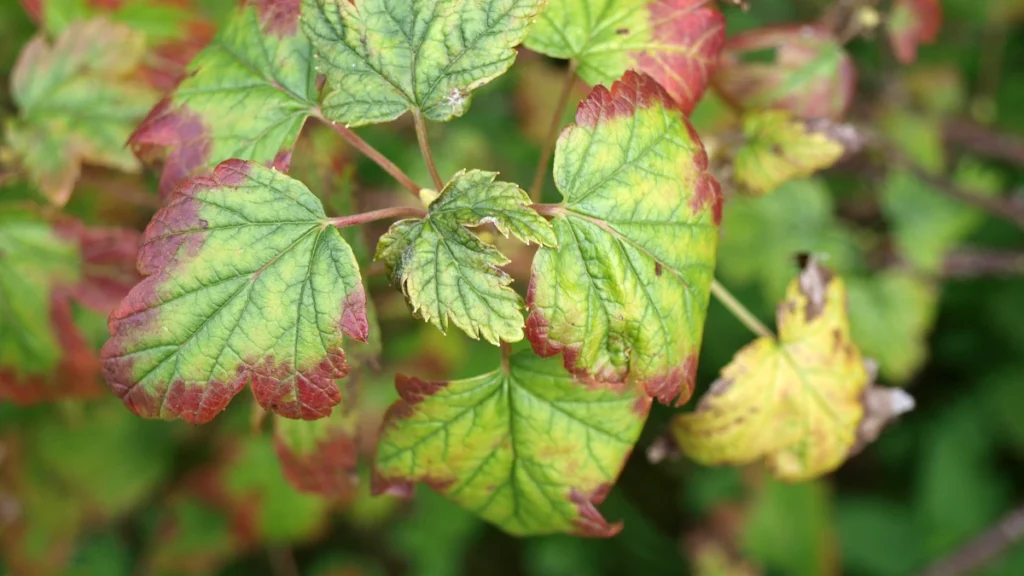
One of the advantages of iron chlorosis is that it presents rather characteristic symptoms.
The first signs generally appear on the younger leaves, where the following is observed:
- yellowing of the leaf blade;
- veins that remain deep green;
- slowed shoot growth;
- shorter internodes;
- reduction of vegetative growth.
In the most severe cases, leaf necrosis, shoot desiccation and a significant reduction in yield may occur.
Recognising these symptoms early makes it possible to intervene before the disorder compromises crop productivity.
Why iron becomes unavailable
Iron availability depends on numerous environmental factors.
Among the main causes we find:
Calcareous soils
The high presence of calcium carbonate represents one of the most favourable conditions for the development of iron chlorosis. In these soils, iron tends to precipitate into insoluble forms.
High pH
When the pH exceeds values of around 7.5-8, the available iron drops drastically, even if the soil contains high quantities of it.
Excessive soil moisture
Waterlogged soils can restrict root activity and further reduce the plant's ability to absorb nutrients.
Nutritional imbalances
Even excesses of phosphorus, calcium or other elements can interfere with iron absorption, aggravating the onset of the disorder. To learn more about calcium management in crops, also read calcium deficiency in plants: symptoms, causes and how we intervene with Veratech Ca.
The consequences on production
Iron chlorosis is not just an aesthetic problem.
The decrease in chlorophyll leads to a reduction in photosynthesis and therefore in the production of energy required for plant growth.
Over time, the following may occur:
- reduced canopy development;
- reduction of root growth;
- less abundant allegation;
- smaller fruit;
- less uniform ripening;
- decline in commercial quality;
- fall in production.
In orchards and vineyards, the problem can recur every year if it is not addressed with an adequate preventative strategy.
Why prevention is essential
Many farmers only intervene when the yellowing is already evident.
Actually, once chlorosis is fully developed, the plant has already suffered a reduction in its photosynthetic activity and part of its productive potential may be compromised.
For this reason, prevention represents the most effective solution.
Monitoring soil pH, carrying out regular nutritional analyses and scheduling interventions during the crop's most sensitive phases helps to limit the onset of the physiological disorder and keep the plant in full vegetative efficiency.
The role of chelated iron
Among the most effective solutions to prevent iron chlorosis are chelated iron-based fertilisers.
Chelation in fact makes it possible to keep iron stable and available even in soils with a high pH, facilitating its absorption by the root system.
This aspect is particularly important in areas characterised by calcareous soils, where traditional iron applications are often largely ineffective.
The use of specific formulations helps to ensure a more consistent nutrition and to support photosynthetic activity throughout the crop cycle. For a broader overview of microelements in agriculture, read also the importance of liquid microelements for plants.
Veratech Green Star: a support to prevent iron chlorosis
To help crops maintain a correct iron availability we have developed Veratech Green Star, a formula designed to supply iron in a chelated, readily available form and promote balanced nutrition even in the most difficult soils.
The use of Veratech Green Star can be particularly suitable:
- in limestone soils;
- in soils with a high pH;
- in crops historically prone to iron chlorosis;
- in the early stages of vegetative development;
- as part of a preventive nutritional programme.
When integrated into a correct agronomic strategy, the product helps to maintain high photosynthetic efficiency in the plant and supports steady vegetative development.
Naturally, the use of the product must always be accompanied by correct management of soil fertility, irrigation and the overall nutrition of the crop.
An integrated management approach for lasting results
The prevention of iron chlorosis cannot rely on a single intervention.
Effective management includes:
- soil pH and fertility monitoring;
- leaf and soil analysis;
- balanced fertiliser management;
- limitation of water stagnation;
- use of specific fertilisers at the most appropriate stages.
The integration of these practices makes it possible to significantly reduce the risk of the physiological disorder appearing and to preserve the productive potential of the crop.
Conclusions
Lime-induced chlorosis is one of the most frequent nutritional problems in crops grown on calcareous or alkaline soils. Intervening only when symptoms are evident can lead to crop losses that are difficult to recover.
We at MS Biotech believe that prevention is the most effective strategy. Through proper nutritional management and the use of dedicated solutions such as Veratech Green Star, it is possible to promote better iron availability, support photosynthesis and keep crops healthy, vigorous and productive throughout the growing season.