EN
EN  IT
IT  ES
ES  FR
FR The ferric chlorosis is a widespread nutritional disorder in agriculture and gardening. It affects many crops, reducing the photosynthetic capacity of plants and compromising productivity. But what are the main causes of ferric chlorosis? How can it be recognised? And above all: are there natural and effective methods to prevent and treat it without resorting exclusively to chemical fertilisers?
In this article we analyse in detail the causes of ferric chlorosisthe most common symptoms and the best natural strategies to combat itwith a focus on regenerative microbiological solutions.
What is ferric chlorosis
Ferric chlorosis is a problem related to the low availability of assimilable iron by plants, even when this trace element is present in the soil. This is not a simple quantitative deficiency, but a blockage of uptake caused by chemical and physical factors in the soil.
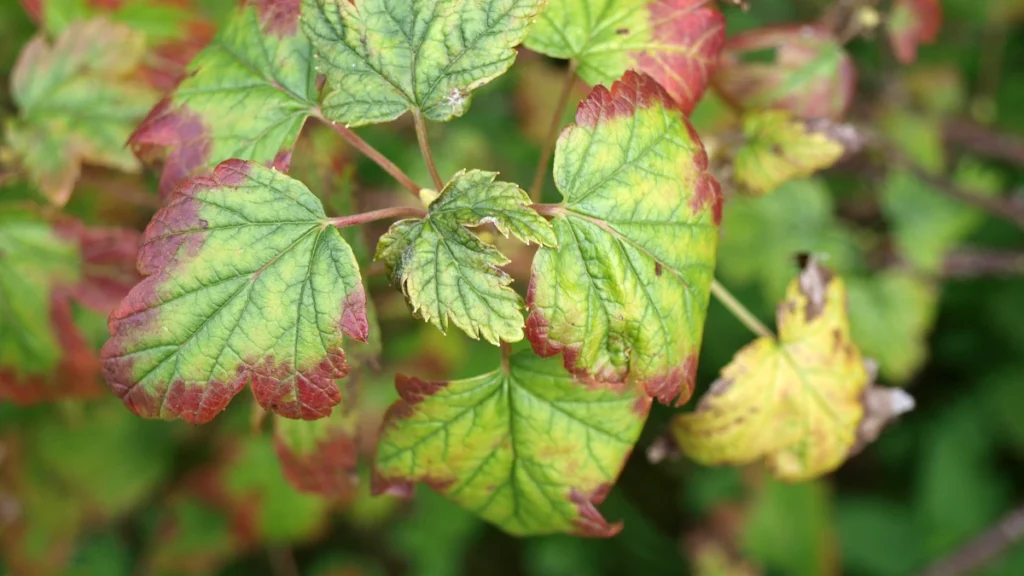
Iron is essential for the chlorophyll synthesis and the proper functioning of photosynthesis. Its deficiency is manifested by leaf yellowing (especially in young leaves), which leaves the central veins visibly green.
Symptoms of ferric chlorosis
Recognising ferric chlorosis is crucial for timely intervention. The main visual symptoms include:
-
Internerval yellowing of young leaves
-
Presence of still green veins
-
Slow plant growth
-
Small, deformed or unflavoured fruit
-
In advanced cases, leaf necrosis and premature leaf fall
The most sensitive crops include vines, citrus fruits, actinidia, tomatoes, peppers, as well as ornamental plants such as hydrangeas, camellias and rhododendrons.
Causes of ferric chlorosis
The causes of ferric chlorosis are often linked to conditions that prevent iron absorption rather than its absence. Among the most common are:
-
soil pH too high (alkalinity above 7.5)
-
Presence of active limestone and carbonates
-
Compacted soils poor in beneficial microorganisms
-
Excess water or poor drainage
-
Competition with other trace elements (copper, zinc, manganese)
Even when iron is present in the soil, the plant cannot assimilate it if the environmental context is not favourable.
Preventing ferric chlorosis the natural way
Prevention is the most sustainable strategy. Here are some agronomic and natural practices to avoid the occurrence of ferric chlorosis:
1. Correcting soil pH
A pH between 6.0 and 6.8 improves iron assimilation. The addition of organic matter and natural soil conditioners, combined with microbial activity, helps rebalance the soil chemistry.
2. Activating microbial life
A biologically active soil improves nutrient uptake. The use of microbial inoculums and mycorrhizal fungi strengthens the rhizosphere and promotes iron availability.
3. Managing irrigation correctly
Avoiding excess water and stagnation is crucial. Good drainage and correct watering frequency reduce the risk of chlorosis.
Treating ferric chlorosis: effective strategies
If chlorosis is already present, it is important to take action to restoring the nutritional balance. Here are two recommended approaches:
1. Use of chelated iron
The application of chelated iron (such as EDDHA or DTPA) by root or foliar application can provide quick relief, but it is a temporary solution that does not act on the causes of the problem.
2. Microbiological stimulation with specific products
The MS Biotechnology offer a lasting solution, acting directly on soil vitality and improving iron availability through beneficial microorganisms.
MS Biotech products to combat ferric chlorosis
Rizotech Plus
Rizotech Plus is a microbial biofertiliser in a microgranular formulation, containing PGPR bacteria, Trichoderma and mycorrhizal fungi. Its benefits include:
-
Phosphorus and iron solubilisation
-
Stimulation of root development
-
Improved assimilation of trace elements
-
Activation of soil biological life
Indications for use: ideal for vegetables, fruit trees, cereals and crops sensitive to chlorosis. It can be applied at the time of planting or transplanting.
Vita
Vita è un liquid biostimulant rich in amino acids and free nitrogen-fixing bacteria. Helps to:
-
Supporting plants under conditions of nutritional stress
-
Stimulating photosynthesis and chlorophyll production
-
Increasing stamina and general vitality
Method of use: Can also be used by foliar application for a rapid effect in cases of manifest chlorosis.
A regenerative and comprehensive approach
For lasting results, it is essential to adopt a integrated approach that addresses the root causes. Our suggested protocol includes:
-
Soil pH correction
-
Microbial inoculation with Rizotech Plus
-
Biostimulation with Vita
-
Use of chelated iron only in emergency situations
This regenerative scheme allows not only solving the problem of ferric chlorosisbut also to improve the overall health of the soil in the long term.
Conclusion: regenerate soil for healthy crops
Ferric chlorosis is a signal indicating an imbalance in the soil. It should not be ignored, but interpreted as an opportunity to regenerate soil fertility in a natural way. With the help of the MS Biotech microbiological solutionsIt is possible to deal with this problem effectively without systematically resorting to chemical fertilisers.
Contact us for a personalised agronomic consultation and find out how to start a regenerative path on your farm.